A bit of History
The city of URBS SALVIA and the vast territory of the Cistercian SAINT MARY’S ABBEY OF CHIARAVALLE DI FIASTRA were the cradle of the tradition of our wines
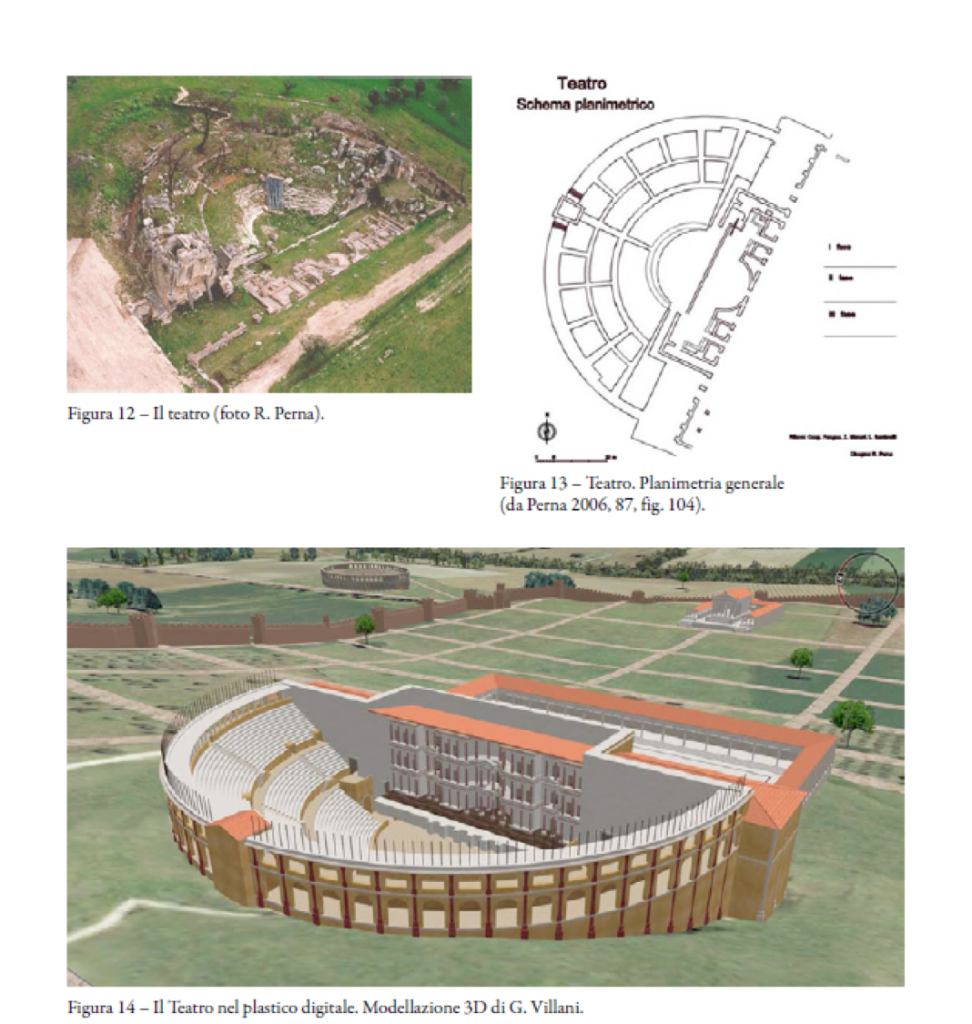
The city of Urbisaglia (URBS SALVIA) founded by the Romans in the first half of the first century BC, and razed to the ground by the Visigoths at the end of the Roman Empire, is located within the archaeological park of Urbs Salvia. Particularly renowned is the Roman theater which hosts musical and artistic events.

Period: 2nd century BC
Saint Mary of Chiaravalle Di Fiastra – Cistercian Abbey
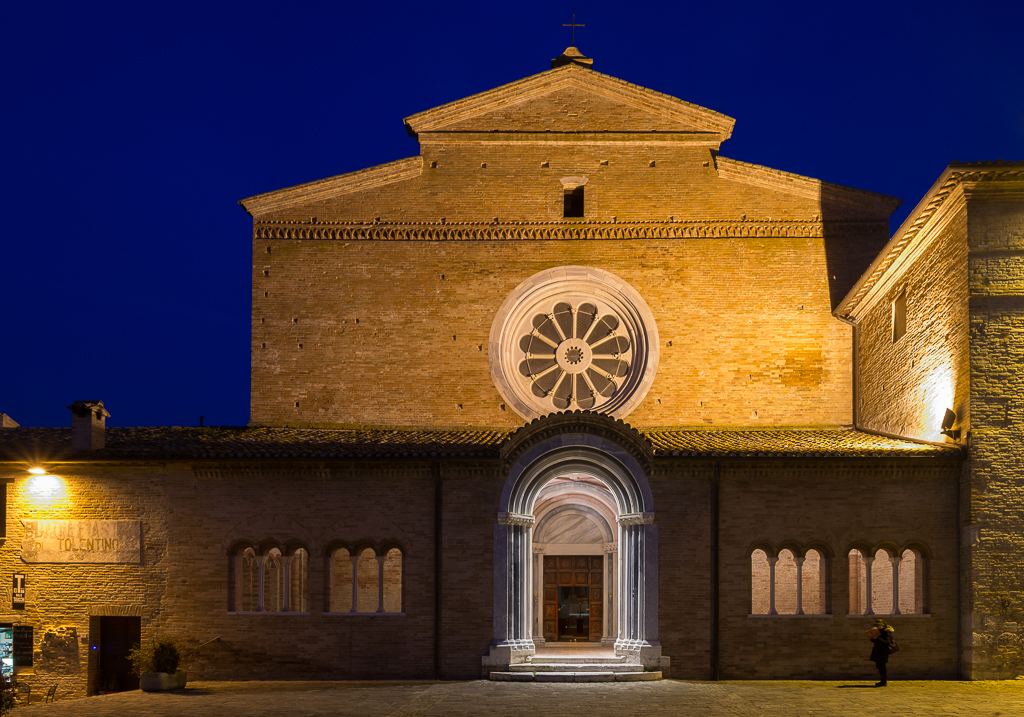
The vast territory, between the Chienti River and Fiastra, was donated in 1142 to Abbot Bruno, spiritual guide of the Cistercian monks of the Chiaravalle Abbey in Milan. The religious who arrived from Milan started theconstruction of the monastery using material from the ruins of the nearby Roman city ofUrbs Salvia,destroyed by Alaric between 408 and 410 and then abandoned. At the same time the reclamation of the surrounding land was also started.
The Abbey experienced a flourishing prosperity for three centuries and, thanks to the Cistercian monks who observed the rule of San Benedetto “Ora et labora”, promoted the religious, economic and social development of the whole area. The decline occurred in the early 1400s, due to the plague and looting; in 1581 it passed to the Company of Jesus and finally in 1773 the entire property was transferred to the noble Bandini family and then, by the will of the last heir of this, to the current Giustiniani Bandini Foundation.
The Maceratino RIBONA: history of an ancient vine variety and a tradition handed down over the centuries
It was probably the Cistercian monks who started the first artisanal processing of the grapes here in the territory of the Abbey of Saint Mary of Chiaravalle di Fiastra, but it was the peasant families and sharecroppers of the Marche who, passing down from father to son ancient knowledge, allowed the vine breeding tradition could be preserved through over two millennia of history.
And it is here, in the area where the PODERE SABBIONI vineyard insists, that the RIBONA Maceratino, an ancient baccabianca grape grown today in the province of Macerata and in a few hectares in the province of Ancona, has found its optimal territory over the centuries, thanks to the combination of geographical position, soil, climate, ancient traditions.
The Maceratino RIBONA
This grape, also known by the synonyms of Montecchiese, narrow grape, Greek maceratino, marine Verdicchio, bianchetta, is most likely part of the group of Greeks, ancient vines imported into Italy by the first colonists of Magna Grecia. The cultivation of the vine dates back to the eighth century BC, that is, about six hundred years before the domination of Rome.


Original illustration of Susan Cox
Close to us: a walk through nature, archeology, art and music
Near our wine cellar we have a wonderful area full of things to do and see such as:
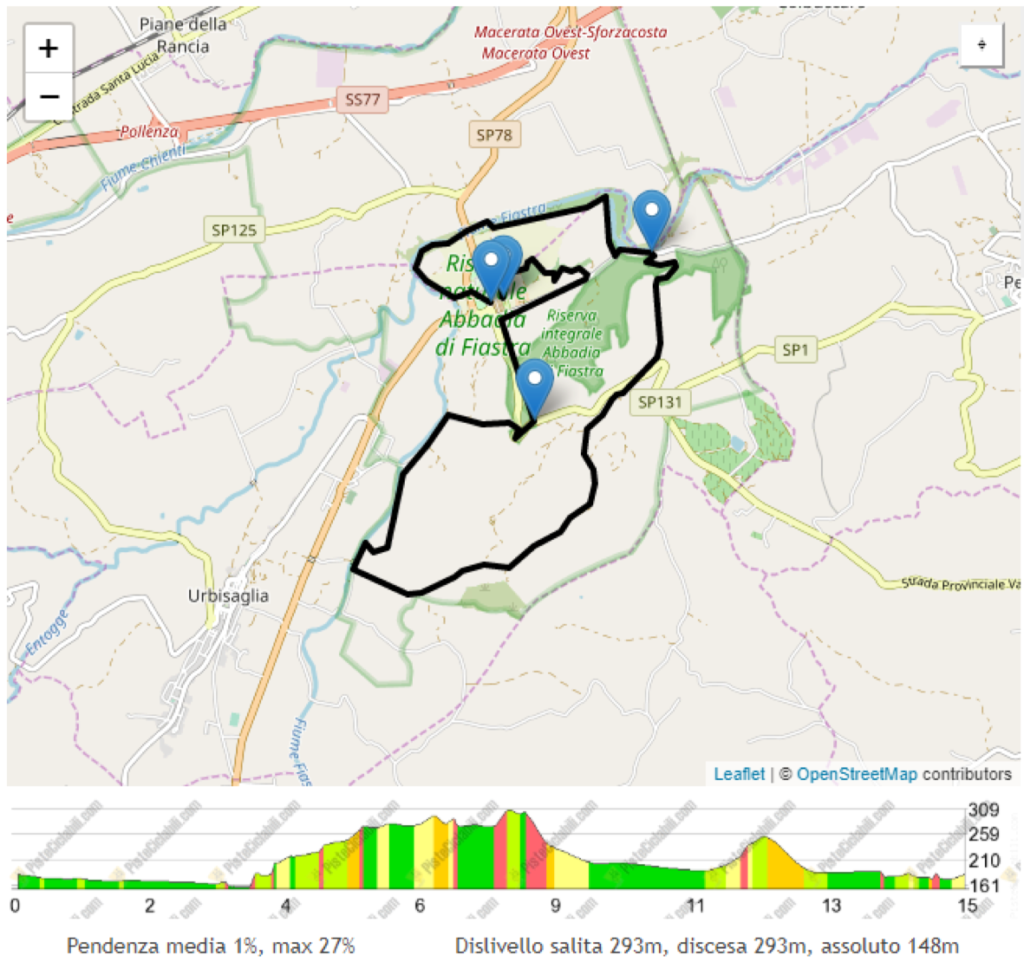
The cycle track around the Abbadia di Fiastra Nature Reserve
Lorenzo Lotto
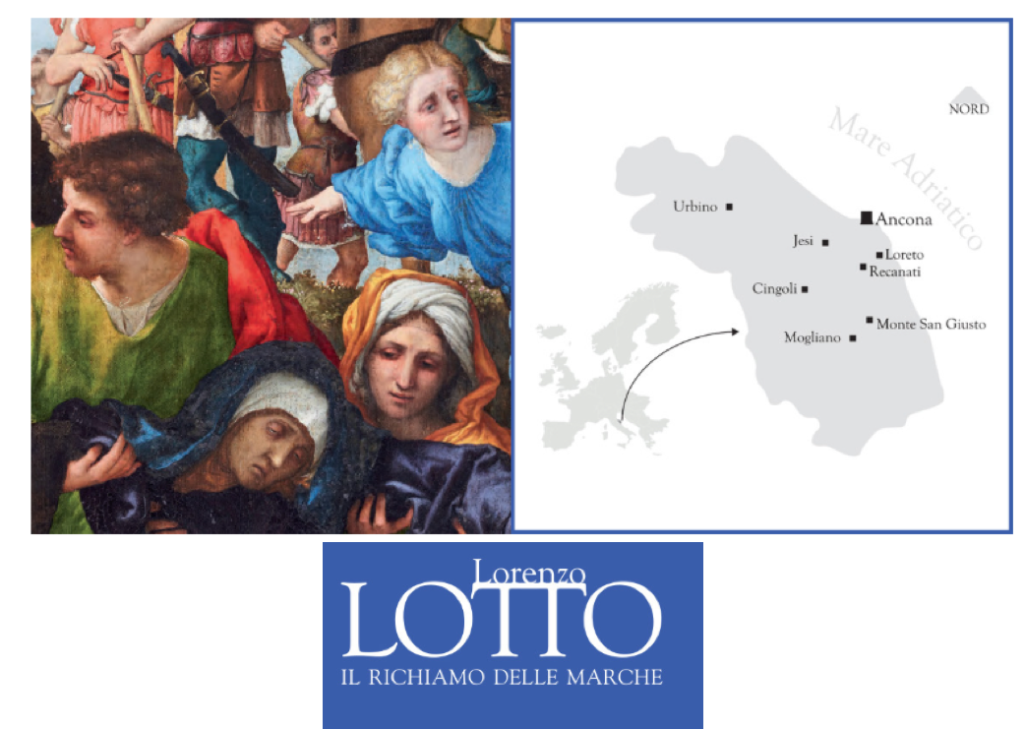
The works of the Venetian painter are in fact ‘scattered’ in churches and museums of his chosen homeland, where he died, in Loreto, between 1556 and 1557, as an oblate of the Holy House. A ‘widespread museum’ in eight cities, among the best known ones – Ancona, Urbino, Jesi, Recanati, Loreto – and small towns to discover such as Monte San Giusto, Mogliano, Cingoli (Macerata).
URBS SALVIA – The most important archaeological park in the Marche region
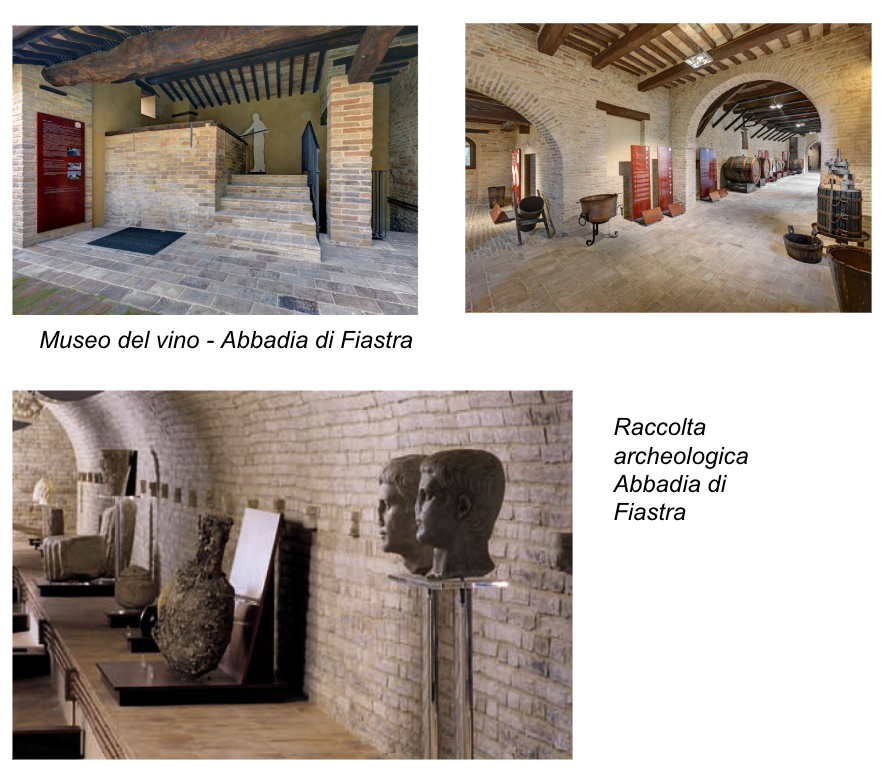
In addition, you can visit the Abbey of Fiastra – museum and archaeological collections